Announcing the 2025 Backing Small Businesses Grant Recipients
We are thrilled to announce the recipients of the 2025 Backing Small Businesses grant program, supported by American Express.
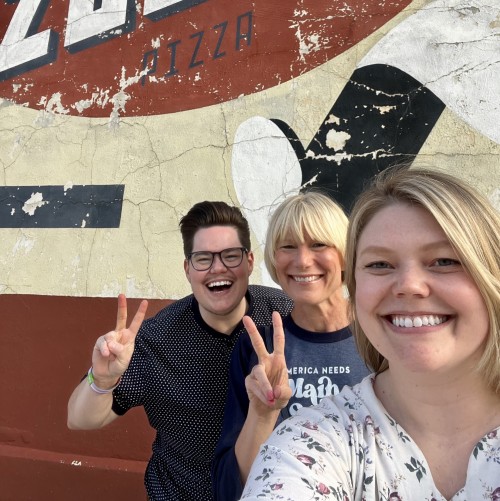
Marion, Iowa © Tasha Sams
We work in collaboration with thousands of local partners and grassroots leaders across the nation who share our commitment to advancing shared prosperity, creating resilient economies, and improving quality of life.
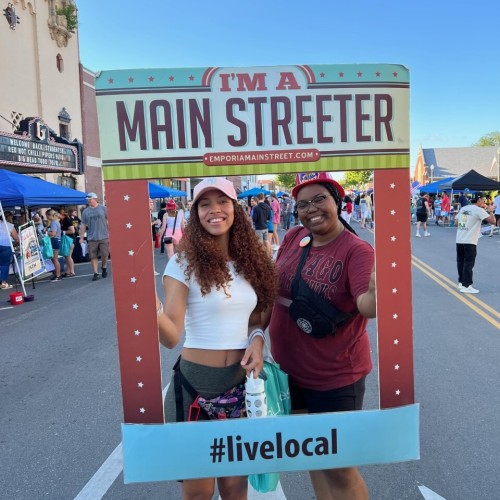
Emporia, Kansas © Emporia Main Street
Made up of small towns, mid-sized communities, and urban commercial districts, the thousands of organizations, individuals, volunteers, and local leaders that make up Main Street America™ represent the broad diversity that makes this country so unique.
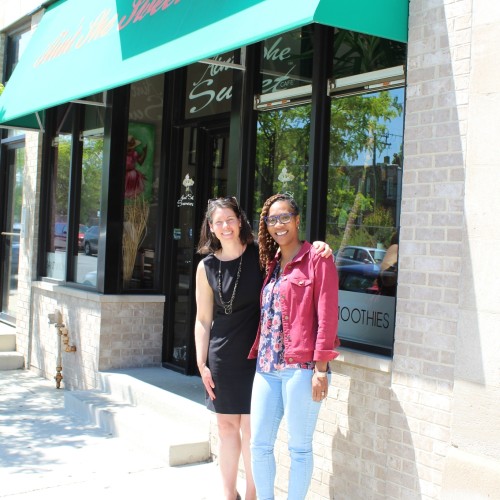
Chicago, Illinois © Main Street America
Looking for strategies and tools to support you in your work? Delve into the Main Street Resource Center and explore a wide range of resources including our extensive Knowledge Hub, professional development opportunities, field service offerings, advocacy support, and more!
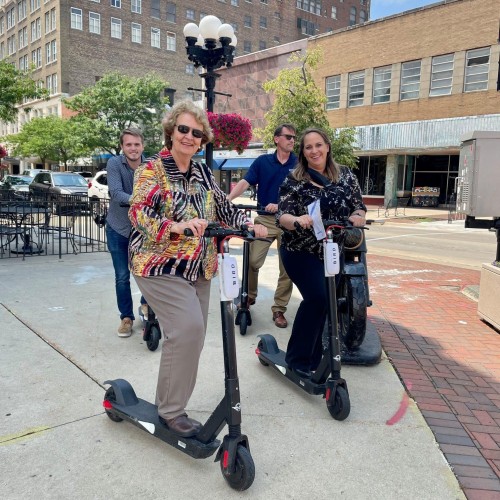
Waterloo, Iowa © Main Street Waterloo
Your one-stop-shop for all the latest stories, news, events, and opportunities – including grants and funding programs – across Main Street.
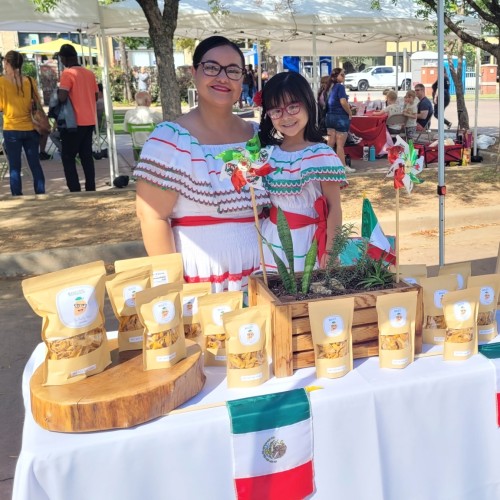
Kendall Whittier — Tulsa, Oklahoma © Kendall Whittier Main Street
Join us in our work to advance shared prosperity, create strong economies, and improve quality of life in downtowns and neighborhood commercial districts.
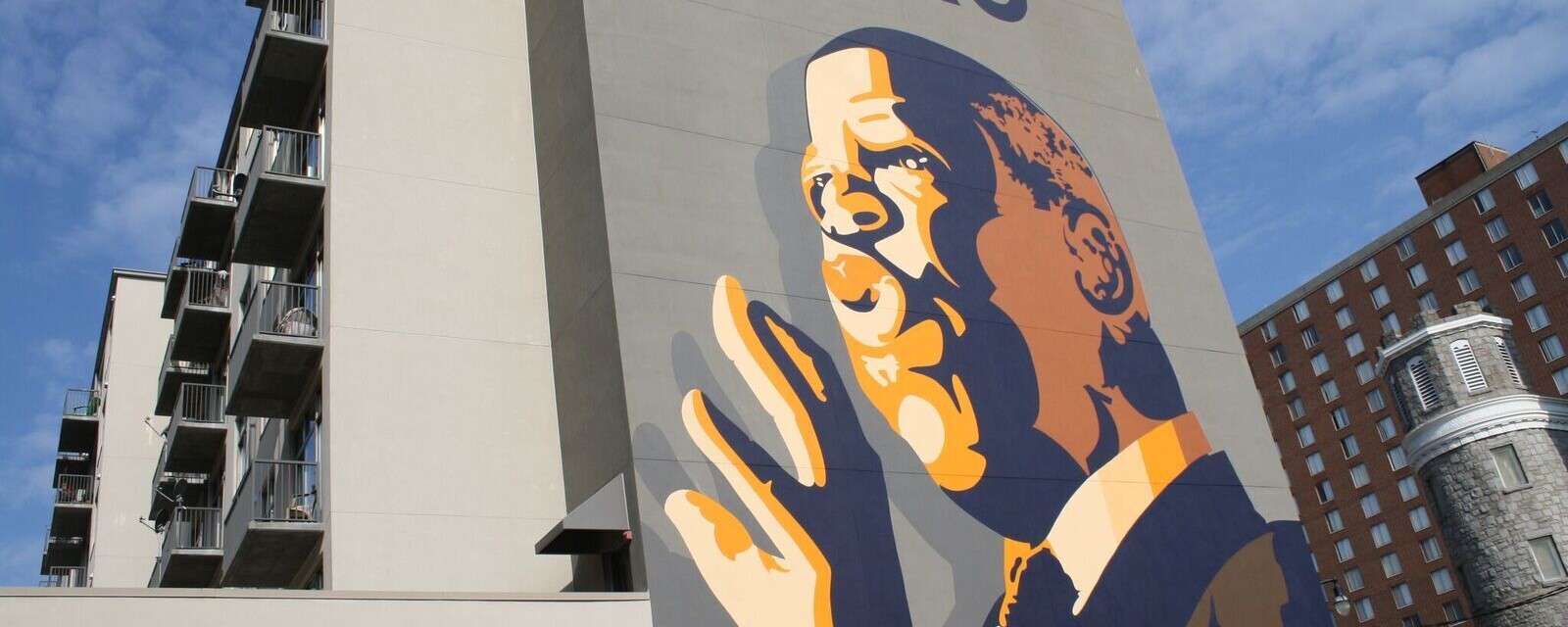
John Lewis mural in the Sweet Auburn District. Photo by Sweet Auburn Works, Inc.
Black History Month invites us not only to reflect on the past but to recognize how Black communities shaped by the Jim Crow era have continually driven civic leadership, entrepreneurship, and economic resilience. In the Sweet Auburn Historic District, Black history is not a relic. It lives through the institutions, businesses, and intergenerational stewardship that define the neighborhood today. Sweet Auburn remains a national model for how Black leaders have long woven civil rights advocacy, faith-based organizing, and business ownership into a unified community ecosystem — a strategy for cultural survival that still guides districts in protecting their distinct cultural and commercial identity amid ongoing change.
Sweet Auburn’s national significance is rooted in its long history of advancing Black civic leadership. Supported by a network of Black faith-based institutions dating back to 1848, the district became a central hub for community organizing, moral leadership, and policy advocacy during segregation. As the neighborhood that nurtured Dr. Martin Luther King Jr., Sweet Auburn illustrates how the collective power of civic, faith-based, and commercial institutions can cultivate social movements and strengthen neighborhood identity — sustaining residents, businesses, and local ownership through periods of profound change.
One of my most personal connections to the Sweet Auburn Historic District comes through my 97-year-old hairdresser, who worked for decades in a Black-owned salon along Auburn Avenue. When I visit her now, in her Kirkwood home, she often reminisces about the people and moments that shaped the district’s civic and economic life. She still smiles when she recalls “that young man John Lewis” stopping by to share information, organize neighbors, and encourage collective action.
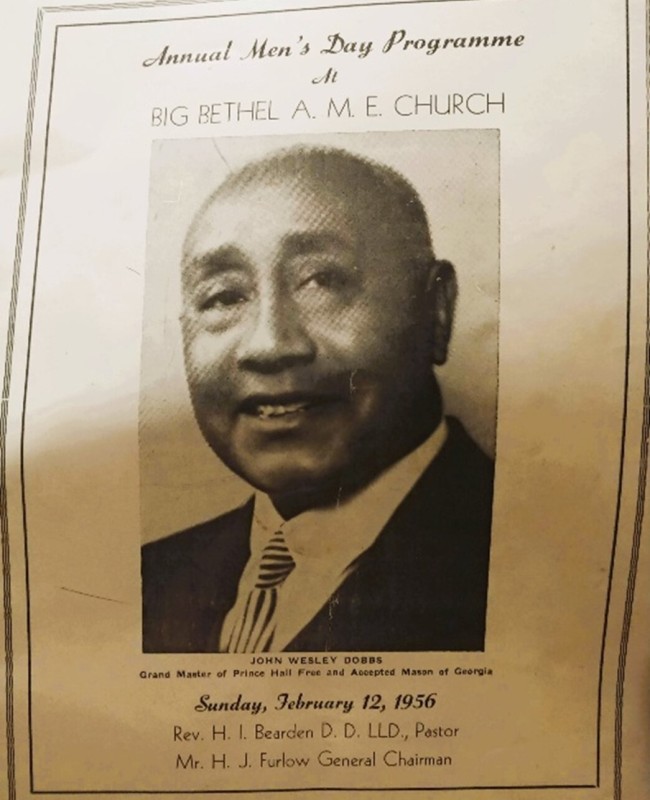
1956 Big Bethel A.M.E. Church Men’s Day Program, featuring John Wesley Dobbs. Photo by Chandra Teddleton.
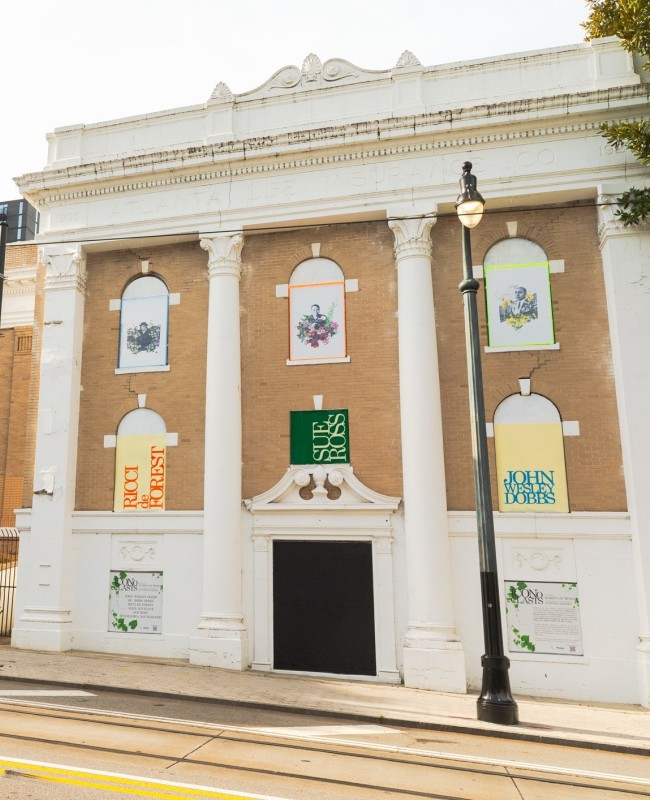
Atlanta Life Insurance building. Photo by Sweet Auburn Works, Inc.
She grew up in the house next door to the King family and attended Big Bethel A.M.E. Church, one of Sweet Auburn’s historic anchors. Through her stories, I learned how community leaders like John Wesley Dobbs — often referred to as the “Mayor of Sweet Auburn” — consistently urged residents to invest locally: in Black-owned businesses, in community institutions, and in economic models that strengthened collective stability rather than individual extraction. That philosophy materialized in institutions such as Atlanta Life Insurance Company, a cornerstone of Sweet Auburn’s economy. Atlanta Life offered more than insurance products; it provided access to capital and long-term financial security at a time when traditional financial systems routinely excluded Black entrepreneurs.
That legacy of intentional investment and stewardship continues today through businesses like Sweet Auburn Bread Company, now in its second generation of ownership, and Pal’s Lounge, operated by a fourth-generation steward of its history. Both stand as living examples of succession planning, cultural preservation, and the enduring strength of place-rooted Black ownership. Together, these stories — carried across generations — underscore a central truth of Sweet Auburn: Black history here is a blueprint for commercial sustainability, community-driven resourcefulness, and economic resilience that continues to shape the district’s future.
While deeply rooted in history, Sweet Auburn continues to evolve. Emerging entrepreneurs, institutions, and commercial stakeholders are building on models shaped by the strictures of segregation while adapting to the influx of new outside capital, extractive development pressures, and the realities of today’s real estate market. This balance — honoring legacy while confronting new market challenges — is what allows Sweet Auburn to remain a living district rather than a preserved artifact.
As Main Street communities nationwide seek models for equitable revitalization, Sweet Auburn offers lessons that are both timeless and urgently relevant.
We are thrilled to announce the recipients of the 2025 Backing Small Businesses grant program, supported by American Express.
Chief Innovation Officer Matt Wagner, Ph.D., shares his annual predictions for the trends that will impact Main Streets and small businesses in 2026.
This conversation between Main Street America's Director of Research and the owner of a plant shop in Tacoma, Wash., reveals the unique struggles of today's storefront business owners.